Remote Work Productivity Habits That Prevent Burnout
Remote work productivity habits that prevent burnout. Boundaries, focus techniques, and recovery practices for sustained performance.
Anúncios
Remote work productivity depends on habits rather than willpower. Building sustainable routines that account for the unique challenges of working from home prevents the burnout cycle where productive periods collapse into exhausted recovery phases.
These habits address the specific productivity obstacles that remote workers face: boundary erosion, isolation, distraction management, and the absence of external structure that offices provide automatically.
Why Remote Work Burnout Develops Differently Than Office Burnout
Anúncios
Office burnout stems from environmental stressors: commutes, interruptions, and social obligations. Remote burnout develops from boundary collapse where work expands into every waking hour because the office never closes.
The absence of physical transition between work and home environments removes the natural recovery triggers that commuting, walking between meetings, and leaving the building at day's end provide.
How to Create Boundaries When Your Office Is Your Home
Anúncios
Designate a specific workspace that you physically leave at the end of your workday. This spatial boundary creates the psychological separation that shared spaces eliminate. Even a desk in a corner with a divider works better than working from the couch.
- Set explicit start and end times and communicate them to your household and team
- Use a separate browser profile for work to prevent after-hours work email checking
- Change clothes at the end of the workday as a transition ritual between modes
- Close your office door or put away your laptop to physically signal work is over
- Schedule a post-work activity like exercise or cooking that creates a buffer between work and evening
Structuring Your Day for Sustained Focus
Time-blocking allocates specific hours to specific types of work: deep focus in the morning, meetings in the afternoon, and administrative tasks during energy dips. This structure prevents the reactive mode where email and messages dictate your entire day.
Protect two to three hours daily for uninterrupted deep work. Close email, silence notifications, and communicate your focus hours to colleagues. One focused hour produces more output than three interrupted ones.
What Communication Habits Prevent Remote Work Isolation?
Schedule brief daily check-ins with colleagues that combine work updates with informal connection. Virtual coffee chats, Slack channel banter, and video-on meetings maintain the social bonds that proximity provides automatically in offices.
Proactive communication is not about being constantly available. It is about being reliably present during agreed hours and maintaining the relationship connections that sustain both collaboration and wellbeing.
Managing Distractions in a Home Environment
Home environments present different distractions than offices: household tasks, family members, pets, and the proximity of entertainment. Managing these requires environmental design rather than willpower.
Physical barriers like closed doors and noise-canceling headphones create focus environments. Scheduled break times for household tasks prevent them from fragmenting your work periods throughout the day.
How Physical Activity Prevents Remote Work Burnout
Remote workers lose the incidental physical activity that offices provide: walking to meetings, climbing stairs, and commuting. Deliberately scheduling movement into your day compensates for this loss and provides mental energy renewal.
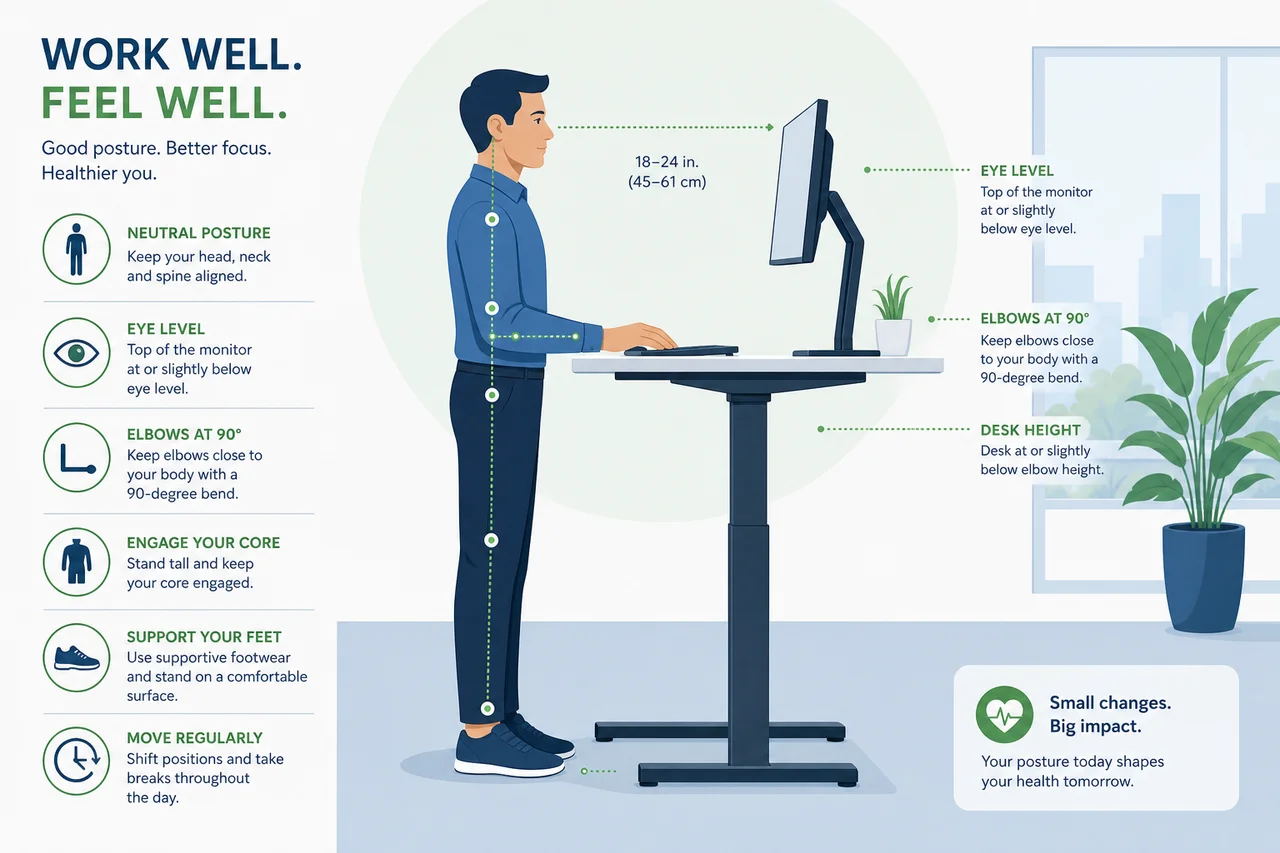
A 30-minute midday walk, standing desk intervals, and morning exercise routines provide the physical activity that remote bodies miss and that mental performance requires. Movement is not a break from productivity. It fuels it.
Technology Habits That Support or Undermine Remote Productivity
Notification management determines whether technology serves your productivity or destroys it. Turn off real-time notifications for everything except direct messages from your manager during focus periods.
Batch process email three times daily rather than monitoring it continuously. Each email notification interrupts your current thought and requires 15 to 23 minutes to fully regain deep focus according to research.
When Should You Work From a Coworking Space or Coffee Shop?
Coworking spaces provide social interaction, professional environment, and spatial work-home separation. Weekly coworking sessions can prevent the isolation that full-time home-based work creates for some professionals.
Coffee shops work for certain types of work but their noise, interruptions, and seating limitations make them unsuitable for sustained deep focus or confidential calls. Use them for variety rather than as a primary workspace.
How to Handle Always-On Culture in Remote Teams
Some remote teams interpret availability as equivalent to productivity. If your organization expects constant responsiveness, discuss reasonable expectations with your manager explicitly rather than suffering silently through 14-hour availability windows.
Set your status messages to communicate your working hours and current focus state. Teams that respect status indicators develop healthier communication patterns than those that treat every message as urgent regardless of context.
Recovery Practices That Prevent Cumulative Burnout
Micro-recovery throughout the day prevents the cumulative fatigue that collapses into weekend-ruining exhaustion. Five-minute breaks every 50 to 90 minutes of focused work maintain steady energy rather than boom-bust cycles.
Weekly recovery requires at least one full day completely disconnected from work technology. Your brain needs sustained offline time to consolidate learning, process emotions, and replenish the cognitive resources that work consumes.
Measuring Your Remote Work Sustainability
Track your energy, sleep quality, exercise consistency, and social interaction weekly. Declining trends in any area signal unsustainable patterns that need correction before they manifest as burnout symptoms.
Compare your output quality and quantity monthly. If you are working more hours but producing lower quality results, your current pattern is unsustainable regardless of how productive you feel in the moment.
How many hours should remote workers actually work?
Is it normal to feel lonely working remotely?
Should remote workers track their hours?
How do you talk to your manager about remote work burnout?
Can remote workers take mental health days?
Remote work sustainability is not about finding the perfect productivity system. It is about building habits that protect your energy, relationships, and health while delivering consistent professional output over years rather than sprints.