Team Collaboration Strategies That Work With Any Group
Team collaboration strategies for any group. Communication frameworks, conflict navigation, and productivity tools.
Anúncios
Team collaboration determines outcomes more than individual talent in most professional settings. A group of capable individuals without collaboration skills produces less than a coordinated team of moderately skilled contributors.
These strategies address the specific challenges that teams face: unclear roles, communication breakdowns, conflicting priorities, and the friction between different working styles.
Why Collaboration Fails Despite Good Intentions
Anúncios
Most collaboration failures stem from structural problems rather than interpersonal ones. Unclear goals, undefined roles, and missing communication norms create friction that goodwill alone cannot overcome.
Diagnosing whether a team's problems are structural or interpersonal determines whether the solution is process improvement or relationship building.
How Should Teams Establish Clear Communication Norms?
Anúncios
Define which channels serve which purposes: Slack for quick questions, email for formal requests, video for complex discussions. Without agreed norms, team members default to personal preferences that create inconsistency.
Response time expectations prevent both urgent-everything cultures and days-long communication gaps. Agreeing that Slack messages deserve same-day responses while email allows 24 hours creates predictable team communication.
Role Clarity as a Foundation for Collaboration
Every team member should be able to state their responsibilities, deliverables, and decision authority clearly. When roles overlap or have gaps, conflicts emerge as people step on each other or important tasks fall unclaimed.
RACI matrices that define who is Responsible, Accountable, Consulted, and Informed for each deliverable eliminate role ambiguity. The 20-minute investment in creating one prevents hours of confusion.
How Do You Collaborate Effectively With Difficult Team Members?
Identify whether the difficulty stems from communication style differences, workload pressure, personality clash, or genuine performance problems. Each cause requires a different response.
Style differences resolve through adaptation. Pressure-driven difficulty resolves through workload discussion. Genuine performance issues require management involvement rather than peer intervention.
Building Trust Within a New Team
Trust develops through predictable behavior over time: meeting commitments, communicating proactively, and supporting colleagues consistently. Trust cannot be accelerated through team-building events alone.
Vulnerability-based trust where team members admit mistakes and ask for help openly produces stronger collaboration than competence-based trust alone.
Cross-Functional Collaboration Challenges
Teams spanning departments face alignment challenges because each function optimizes for different metrics. Marketing wants leads, engineering wants stability, and finance wants cost control.
Shared outcome metrics that every function contributes to create alignment. When the whole team succeeds or fails together, cross-functional conflict decreases because optimization shifts from departmental to organizational.
Tools That Actually Improve Team Collaboration
Project management tools like Asana, Monday, and Jira create visibility into who is working on what. Documentation tools like Notion and Confluence preserve institutional knowledge that would otherwise exist only in individual heads.
Tools amplify existing collaboration practices. They do not create collaboration where none exists. Choose tools that support your agreed workflows rather than hoping tools will impose structure.
How Asynchronous Collaboration Differs From Synchronous
Asynchronous work through written documents, recorded videos, and shared dashboards allows team members to contribute on their own schedules. This flexibility suits distributed teams and deep-focus work.
Synchronous collaboration through meetings and real-time discussions suits brainstorming, complex problem-solving, and relationship building. The most effective teams use both modes intentionally.
Giving and Receiving Feedback Within Teams
Constructive feedback improves team output when delivered with specific examples and genuine intent to help. Vague criticism or feedback delivered publicly damages collaboration by making people defensive.
Establish team norms where feedback is expected, welcomed, and focused on work rather than personality. Teams that normalize feedback iterate faster and produce higher-quality outcomes.
Managing Collaboration Fatigue
Excessive meetings, constant messaging, and the pressure to be always available create collaboration fatigue that reduces individual productivity. Protecting solo work time within collaborative team structures is essential.
Schedule collaboration-free blocks where the entire team agrees not to schedule meetings or expect immediate responses. This collective boundary protects the deep work time that collaboration depends on.
How to Improve a Struggling Team
Diagnose before prescribing. Survey team members anonymously about what works and what does not. The pattern in responses reveals whether the team needs process changes, leadership adjustments, or relationship repair.
Improvement requires sustained effort rather than one-time interventions. Team retreats and workshops create momentum but daily behavior changes create lasting improvement.
- Start meetings with clear agendas and end with documented action items and owners
- Use shared documents rather than email chains for collaborative content creation
- Rotate meeting facilitation to distribute leadership development across the team
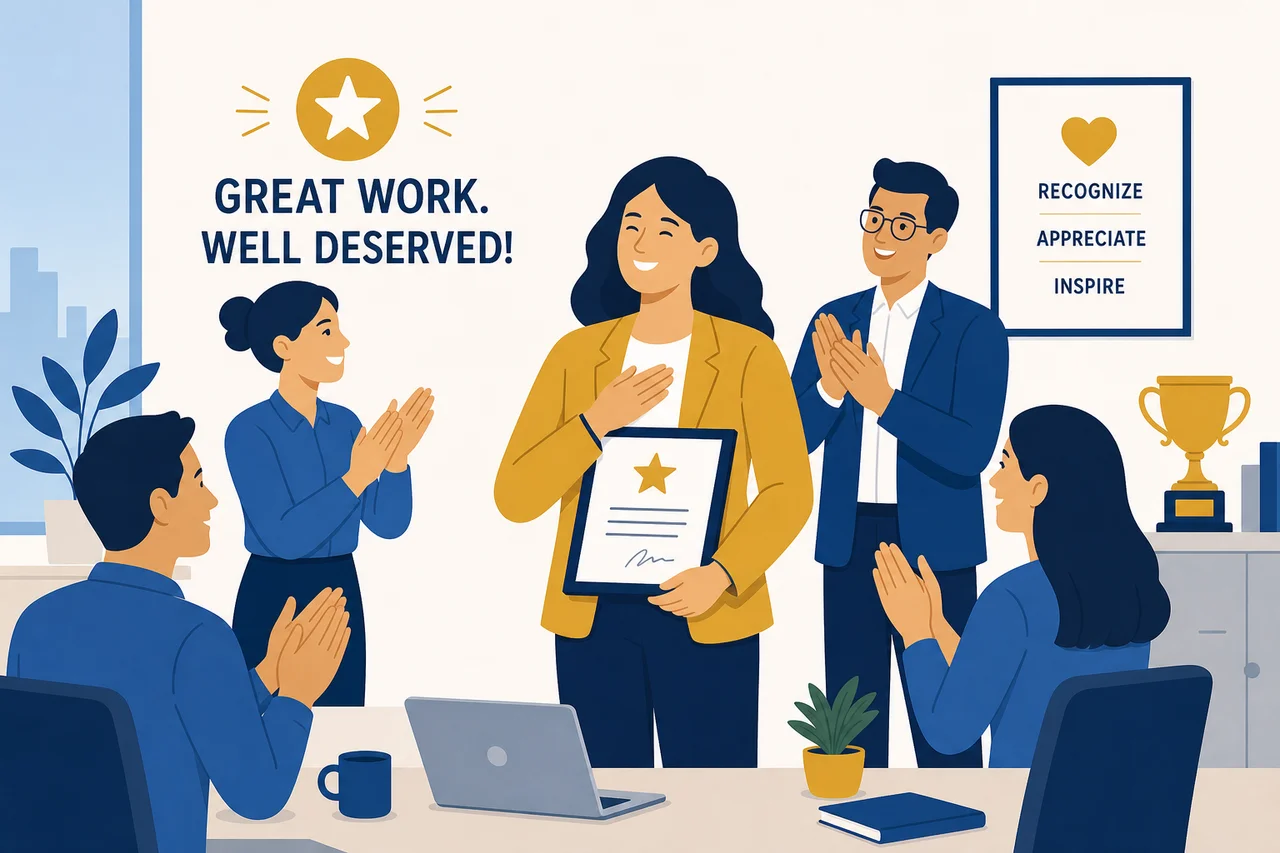
- Celebrate team wins visibly to reinforce collaborative behavior
- Address collaboration breakdowns promptly rather than hoping they resolve naturally
How do you collaborate with remote team members effectively?
What do you do when one team member does not contribute?
How many meetings are too many for a team?
Should teams have social activities together?
How do you handle cultural differences in team collaboration?
Effective team collaboration is a skill that teams develop together over time. The investment in building collaboration infrastructure pays compounding returns through faster execution, fewer conflicts, and higher-quality output across every project.