Career Fair Strategy to Maximize Recruiter Conversations
Career fair strategy for maximizing recruiter conversations. Preparation, elevator pitches, booth approach, and follow-up tactics.
Anúncios
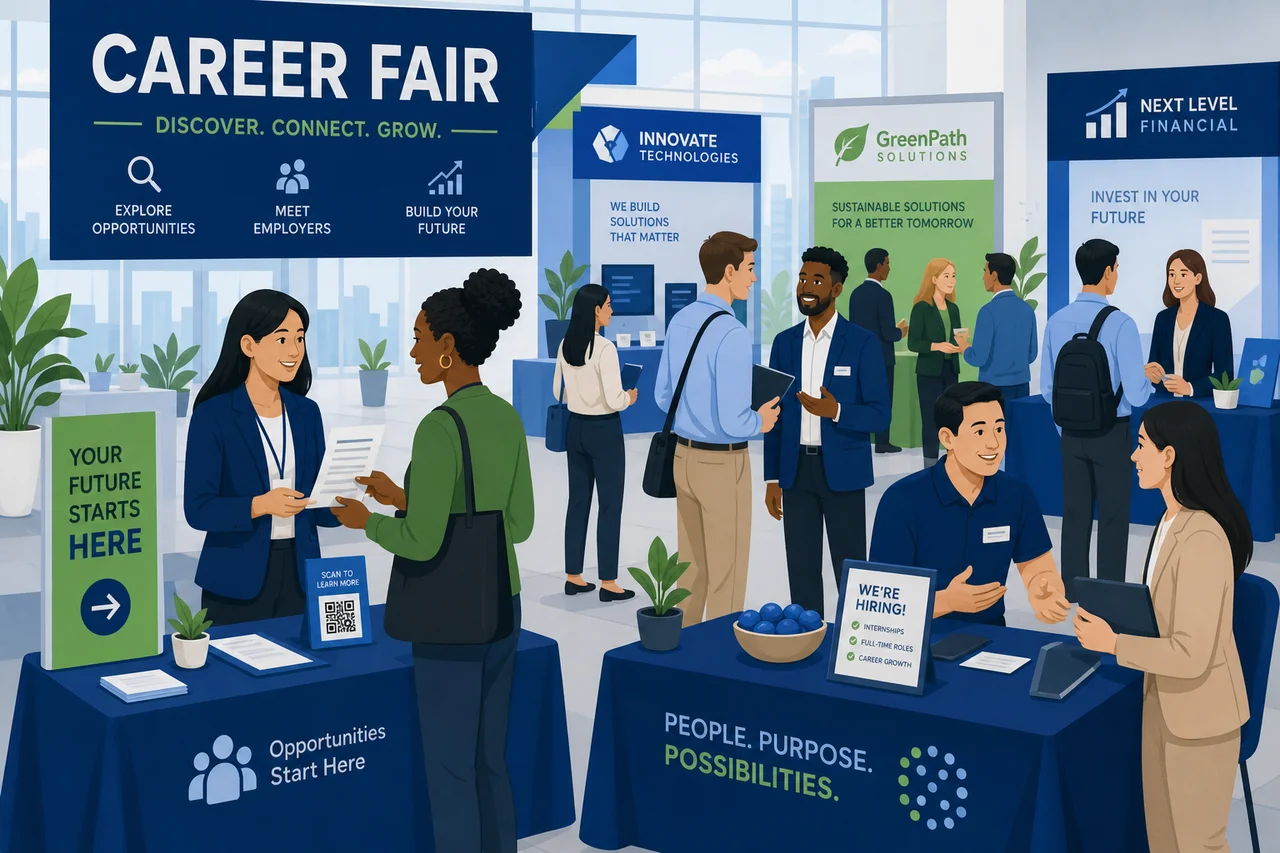
Career fairs pack hundreds of employers and thousands of candidates into a few hours. Without a strategy, you wander between booths collecting brochures that end up in recycling. With preparation, you leave with contacts, interview invitations, and a clear advantage over unprepared attendees.
This guide covers before, during, and after career fair strategy that transforms a chaotic event into a structured job search accelerator.
Research That Separates Prepared Candidates From Crowds
Anúncios
Most career fairs publish exhibitor lists weeks in advance. Research every company attending, identify ten to fifteen targets, and prioritize them by interest level. Knowing what each company does before approaching their booth immediately distinguishes you from candidates asking basic questions.
Check each target company's current job openings before the fair. Approaching a recruiter and saying I noticed your team has an opening for a specific role and I have experience in related area starts a conversation that generic introductions cannot match.
What Should You Bring to a Career Fair?
Anúncios
Bring 30 to 40 copies of your resume printed on quality paper. Digital copies on a tablet or phone serve as backup when paper runs out. Carry a professional portfolio or padfolio to organize materials and take notes between conversations.
- Business cards with your name, email, phone, and LinkedIn URL if you have them printed
- A pen and small notebook for recording recruiter names and conversation details immediately
- Breath mints and water because you will be talking continuously for hours
- A comfortable bag that holds materials without looking like a tourist with a backpack
- Your phone fully charged for connecting on LinkedIn in real time during conversations
How to Approach Booths Without Feeling Awkward
Walk up confidently, make eye contact, and lead with your name and a specific reason for your interest: Hi, I am your name. I am interested in your company because of a specific reason. I would love to learn more about opportunities in a specific area.
This 15-second introduction gives the recruiter context to direct the conversation productively. Vague openings like tell me about your company waste both your time and theirs when the information is on the company website.
Elevator Pitch Structure That Works at Career Fairs
Your pitch should last 30 to 45 seconds and cover who you are, what you do well, and what you are looking for. Practice until it flows naturally without sounding rehearsed or robotic.
End your pitch with a question that invites continued conversation: What qualities does your team prioritize when hiring for these roles? This transforms a one-way presentation into a dialogue that recruiters remember.
How Long Should You Spend at Each Booth?
Three to five minutes per booth is the sweet spot. Longer conversations monopolize the recruiter's time and prevent you from reaching other targets. If the conversation is going exceptionally well, ask for a follow-up meeting rather than extending the booth visit.
Watch for body language signals that the recruiter needs to engage other visitors. Gracefully wrapping up with a thank you and a card exchange shows social awareness that recruiters notice and appreciate.
Networking With Other Attendees Between Booths
Other job seekers at career fairs often become valuable contacts. They may work in your industry, share job leads, or provide referrals at their current employers. Treating fellow attendees as competition rather than potential allies wastes networking opportunity.
Strike up conversations in lines between booths. Sharing observations about which companies seem most engaged or which booths have the best conversations builds rapport quickly in the shared experience of job seeking.
Should You Attend Virtual Career Fairs?
Virtual career fairs offer convenience but reduced personal connection. They work best for initial research and broad exploration. In-person fairs remain superior for creating memorable impressions that lead to interview invitations.
If attending virtually, prepare your camera setup, have your resume accessible for screen sharing, and join early to test the platform. Virtual fair technology varies widely and technical difficulties eliminate candidates who arrive unprepared.
What Questions Should You Ask Recruiters?
Ask about team culture, growth opportunities, and what success looks like in the first year. These questions demonstrate genuine interest and provide information that helps you evaluate whether the company deserves your application time.
Avoid asking about salary, benefits, or PTO at career fairs. These conversations happen during formal interviews after mutual interest is established. Premature compensation questions create negative impressions at the introduction stage.
How to Handle Rejection or Disinterest at Booths
Some booths will tell you they have no openings in your field. Thank them, take their card, and ask if they anticipate openings in the next six months. Graceful responses to rejection leave positive impressions that may lead to future opportunities.
Do not take disinterest personally. Recruiters at career fairs meet hundreds of people and cannot engage deeply with everyone. Their energy level and attentiveness vary throughout the day regardless of your qualifications.
Follow-Up Strategy That Converts Fair Contacts Into Interviews
Send personalized emails within 24 hours of the fair to every recruiter you spoke with. Reference specific conversation topics to distinguish yourself from the dozens of generic follow-ups they receive.
Connect on LinkedIn with a personalized message that reminds them of your booth conversation. This dual-channel follow-up increases your visibility and provides the recruiter with easy access to your full professional profile.
Timing Your Career Fair Attendance for Best Results
Arrive during the first hour when recruiter energy is highest and booth lines are shortest. The final hour also works because crowds thin and recruiters have more time for extended conversations with remaining attendees.
Mid-event attendance puts you in the longest lines and catches recruiters during their most fatigued period. If you can only attend during peak hours, visit your highest-priority booths first before lines build.
Are career fairs worth attending if you already have a job?
How do you stand out when hundreds of people attend the same fair?
Should recent graduates attend industry-specific or general career fairs?
Can you negotiate interviews at career fairs?
How many career fairs should you attend per year?
Career fairs compress months of cold outreach into a single day of direct access to hiring decision-makers. The candidates who arrive with research, practice their pitches, and follow up systematically convert fair attendance into job offers.