Personal Branding Tips to Make Your Expertise Visible
Personal branding tips to make your expertise visible. LinkedIn optimization, content strategy, and networking approaches that attract opportunities.
Anúncios
Personal branding sounds like marketing jargon, but it solves a concrete problem: making your expertise visible to people who can hire you or send opportunities your way. The right audience finding you eliminates the need to chase every opening.
Building a personal brand does not require becoming an influencer or posting daily content. It means consistently showing what you know through channels your target audience already uses.
What Personal Branding Actually Means for Job Seekers
Anúncios
Your personal brand is the professional reputation that precedes you into rooms. When a recruiter searches your name, the results either support your candidacy or create questions. Controlling that narrative is the core of personal branding.
It includes your LinkedIn presence, portfolio pieces, published articles, conference appearances, and how colleagues describe your work. Every touchpoint either reinforces or undermines the professional identity you want to project.
How to Identify Your Unique Professional Value
Anúncios
Ask three colleagues what they would hire you for specifically. Their answers reveal your perceived strengths, which often differ from your self-assessment. The overlap between what you enjoy, what you excel at, and what the market values defines your brand position.
Write a one-sentence description of your professional value that a stranger could understand. If you cannot summarize it clearly, your brand needs refinement before amplification.
Does LinkedIn Really Matter for Personal Branding?
LinkedIn drives more professional opportunities than any other platform. Recruiters search it daily, hiring managers check profiles before interviews, and colleagues share content that reaches decision-makers across industries.
A complete LinkedIn profile with a professional photo, compelling headline, detailed experience section, and regular engagement generates 40 times more opportunities than an incomplete one according to platform data.
Content Creation Strategies That Build Authority
Share insights from your actual work rather than generic advice. A data analyst who posts interesting findings from anonymized projects demonstrates expertise more effectively than one who shares motivational quotes about data.
Consistency matters more than volume. One thoughtful post weekly builds a stronger brand than daily content that adds no value. Your audience remembers quality contributions and forgets filler.
How to Network Without Feeling Transactional
Lead with genuine curiosity about other people's work. Ask specific questions about their projects, share relevant resources, and offer help before asking for anything. Relationships built on mutual interest outlast those built on mutual need.
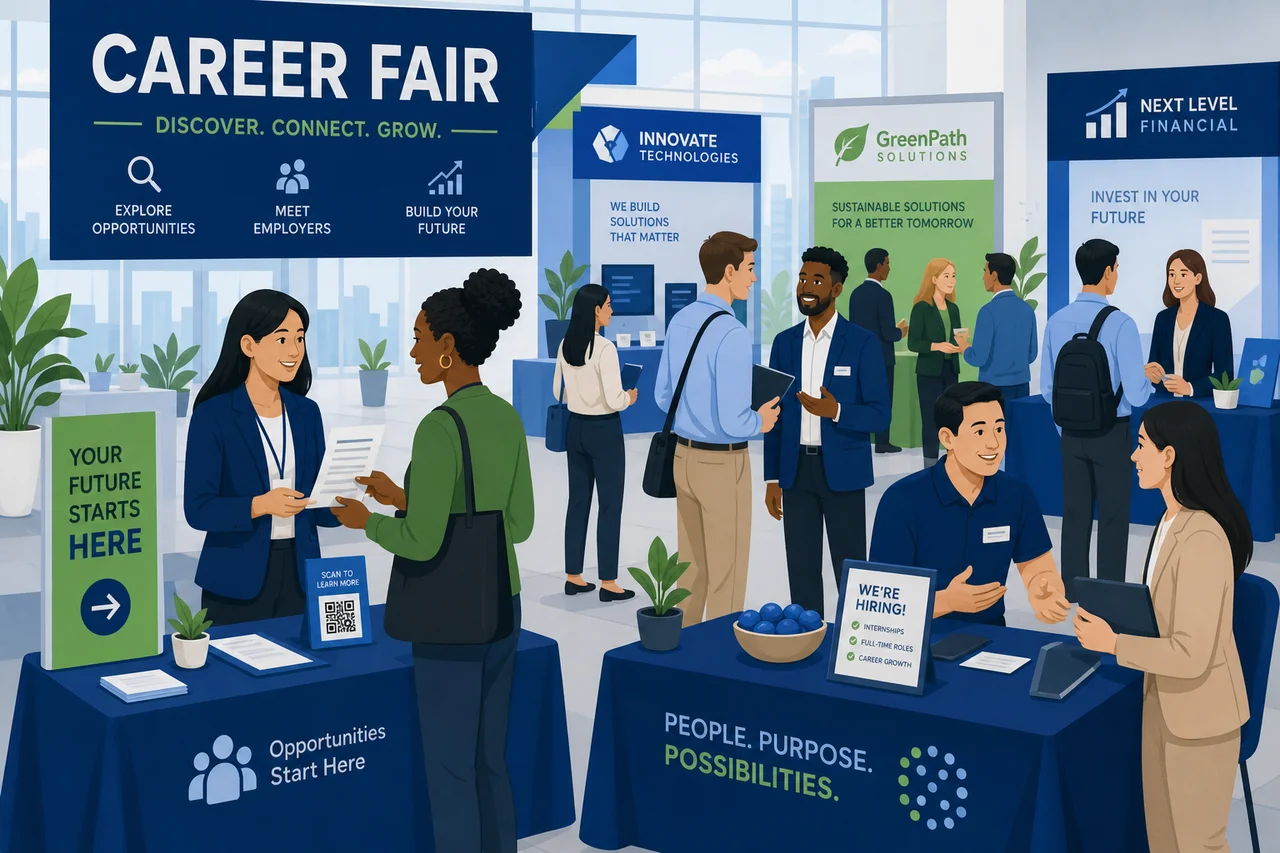
Attend industry events with the goal of having three meaningful conversations rather than collecting 30 business cards. Depth of connection drives referrals and opportunities more than breadth of acquaintance.
Building Visibility Through Speaking and Writing
Industry conferences, podcasts, and webinars position you as an expert. Start with smaller venues like local meetups and company lunch-and-learns before pursuing larger stages. Each appearance builds credentials for the next one.
- Pitch topics based on problems you have solved rather than abstract theories
- Create a speaker one-sheet with your bio, photo, topics, and previous engagements
- Write articles for industry publications that your target audience reads regularly
- Repurpose presentations into blog posts, social content, and newsletter items
- Record short video explanations of concepts you discuss frequently in your work
Managing Your Online Reputation Proactively
Search your name monthly and review what appears. Set up Google Alerts for your name to catch new mentions. Outdated profiles on forgotten platforms can surface embarrassing content that undermines your current brand.
Push negative or irrelevant results down by creating positive content that ranks higher. A personal website, active social profiles, and published work generally outrank old forum posts or unflattering mentions.
Should You Specialize or Stay Broad?
Specialization wins for personal branding. Being known as the go-to expert in a specific area generates more opportunities than being generically competent across many. The narrower your focus, the easier you are to remember and recommend.
You can specialize publicly while maintaining broad skills privately. Your brand highlights your strongest differentiator while your actual capability set remains versatile enough for career flexibility.
How Long Does Personal Branding Take to Show Results?
Expect three to six months of consistent effort before seeing tangible results like inbound inquiries, speaking invitations, or recruiter messages. Branding is a compounding investment where early efforts feel unrewarding but accumulate over time.
Track leading indicators like profile views, connection requests, and content engagement to confirm you are building momentum even before opportunities arrive.
Personal Branding Mistakes That Damage Credibility
Exaggerating accomplishments is the fastest way to destroy a brand you spent months building. Industry communities are small, and fact-checking happens informally through mutual connections who know the real story.
Inconsistency between your online persona and in-person behavior also erodes trust. If your LinkedIn positions you as a collaborative leader but colleagues experience you as a difficult coworker, the disconnect becomes your actual brand.
Measuring Brand Effectiveness Without Vanity Metrics
Meaningful metrics include direct messages from potential employers, introduction requests from connections, and invitations to contribute or speak. These signal that your brand reaches the right audience and motivates action.
Follower counts and like totals feel good but mean little if they do not convert to professional opportunities. Focus on quality engagement from people in your target industry rather than broad popularity.
Do you need a personal website for personal branding?
How do you brand yourself during a career change?
Should your personal brand be different from your company's brand?
Is personal branding just self-promotion?
How do introverts build a personal brand effectively?
Personal branding is career insurance. The relationships and reputation you build now pay dividends for decades, whether you stay in your current role or pivot to something entirely different.